

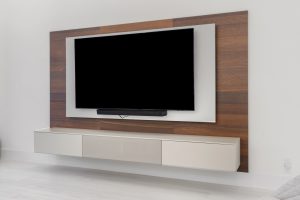
 Wall paneling has long been a hallmark of refined interior design, adding depth, character, and a sense of structure to any space. Whether enhancing a grand living room, bringing warmth to a bedroom, or elevating a hallway, custom paneling transforms interiors with craftsmanship that stands the test of time. Beyond aesthetics, it also provides practical benefits such as added insulation, soundproofing, and wall protection.
Types of Wall Paneling: Style Meets Functionality
Different paneling styles dramatically influence a room’s ambiance. The right choice depends on your home’s design vision and architectural style.
- Wainscoting: A timeless feature covering the lower portion of walls, adding elegance while protecting surfaces from daily wear. Perfect for dining rooms, entryways, and offices.
- Beadboard: Characterized by vertical grooves, beadboard brings charm and texture, often used in kitchens, bathrooms, or mudrooms for a cozy, cottage-like feel.
- Shiplap: Installed horizontally or vertically, shiplap offers a clean, structured look that enhances both modern and traditional spaces. It works well for accent walls and full-room applications.
- Geometric Panels: Contemporary raised or 3D panels create a bold, sculptural focal point, making them ideal for feature walls in living rooms or bedrooms.
Each type of paneling contributes to a space’s character, creating an intentional, polished aesthetic.
Enhancing Interior Depth: Adding Character and Warmth
Wall paneling does more than decorate—it enhances how a space feels.
- Creates a Visual Anchor: Paneling naturally draws the eye, giving rooms structure and purpose.
- Adds Warmth and Texture: The depth created by wood or composite panels adds richness that painted walls alone cannot achieve.
- Elevates Architectural Detailing: Even in contemporary homes, paneling introduces an element of craftsmanship that enhances the home’s value and sophistication.
When applied thoughtfully, paneling creates an inviting, well-balanced space that transcends trends.
Material Selection: Durability and Style
Selecting the right material ensures that wall paneling remains both durable and stylish.
- Solid Wood: A premium choice known for its natural grain and long-lasting appeal. Ideal for luxury applications.
- MDF (Medium Density Fiberboard): A smooth, budget-friendly alternative that resists warping and is perfect for painted finishes.
- Composite Panels: Engineered for durability, these materials mimic wood and work well in moisture-prone areas like bathrooms.
Choosing the right material ensures that your paneling remains a lasting investment in quality and beauty.
Seamless Integration: Blending Paneling with Existing Design
For paneling to feel like an integral part of your home, it must be thoughtfully incorporated.
- Color Coordination: Painted paneling in soft neutrals or bold hues enhances ambiance and complements existing furnishings.
- Ceiling Height Considerations: Full-height paneling adds grandeur to large spaces, while half-height paneling preserves openness in smaller rooms.
- Architectural Consistency: Classic moldings suit traditional homes, while sleek, minimalist panels work best in modern spaces.
By aligning paneling with the home’s design, it enhances both form and function, creating a truly timeless look.
Wall paneling isn’t just a design feature—it’s an investment in elegance and sophistication. With the right materials, style, and integration, it transforms any space into a refined, well-crafted environment that elevates the entire home.